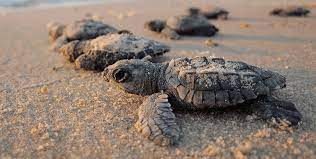
Every year, between May and October, Cancún's beaches become a cradle of new life: sea turtles come ashore at night to lay their eggs, and weeks later hundreds of hatchlings make their first dash to the Caribbean. Witnessing it — respectfully — is one of the most moving experiences the destination offers.
A natural Caribbean spectacle
The Mexican Caribbean is one of the country's most important sea turtle nesting sanctuaries. Cancún's warm, white sand offers the perfect conditions for females to return, year after year, to the very beach where they were born to lay their eggs.
You don't need a special tour or a long drive: if you visit Cancún in season, there's a good chance you'll see marked nests on your hotel's beach — and you may even get to take part in a hatchling release at sunset. It's all done under strict rules that protect these endangered animals. This guide walks you through when, where, and above all, how to enjoy it responsibly.
When is the season?
Cancún's turtle season follows a fairly predictable rhythm. Knowing it helps you plan your trip if you want to experience it:
- May – July (nesting): females emerge from the sea at night, dig a nest in the sand, and lay their eggs.
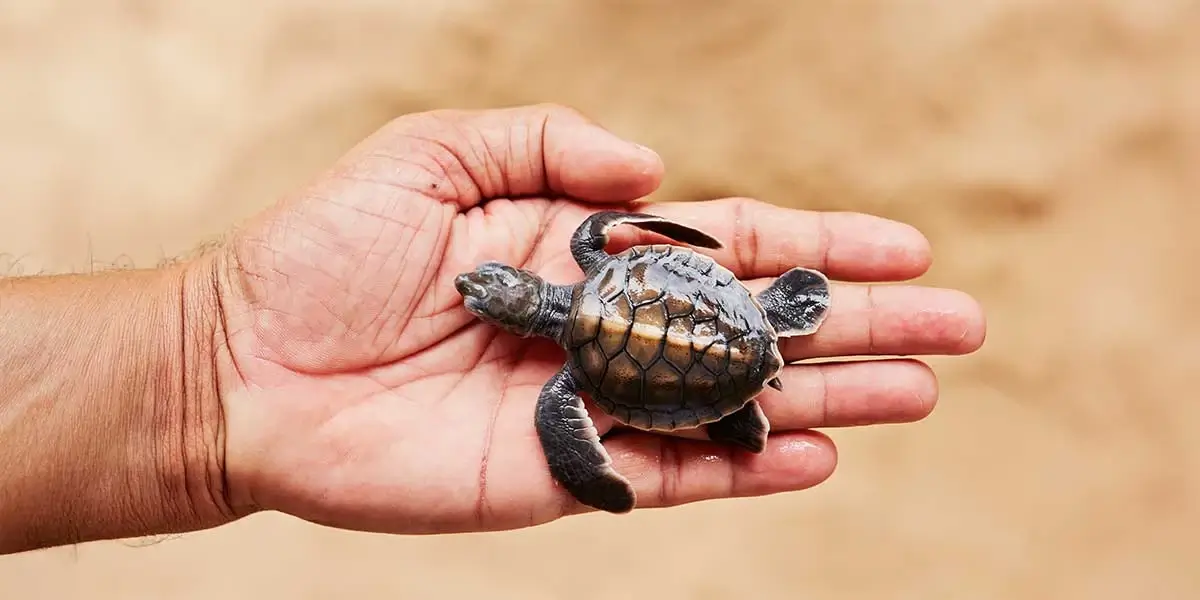
- July – November (hatching): after 45–60 days, the hatchlings break out and scramble toward the sea, almost always at dusk.
- Peak: August and September are usually the busiest months for both nests and releases.
If your goal is to see a hatchling release, planning your trip between August and October greatly improves your odds.
Which species visit Cancún
Several sea turtle species nest in the Mexican Caribbean. These are the ones you're most likely to encounter near Cancún:
| Species | Scientific name | What sets it apart |
|---|---|---|
| Loggerhead | Caretta caretta | Large head and powerful jaw; the most common in the area |
| Green turtle | Chelonia mydas | Herbivorous as an adult; vital to seagrass beds |
| Hawksbill | Eretmochelys imbricata | Curved beak; critically endangered, tied to the reefs |
All three are protected under Mexican law — disturbing them or damaging their nests is a crime.
How to watch them without harm
Seeing a turtle nest or release hatchlings is a privilege that comes with responsibility. Always follow these rules:
- No lights or flash: artificial light disorients females and hatchlings, which navigate by the moon's reflection on the water.
- Keep your distance and stay quiet: don't touch them or block their path to the water.
- Don't "help" them reach the sea: the crawl across the sand is vital to their orientation and development.
- Tell the staff: if you spot a nest or a turtle, let your hotel or a turtle camp know.
- Only join authorized activities: legal releases are always led by trained personnel.
Why they matter so much
Sea turtles are guardians of the ocean's balance. Their role goes far beyond their beauty:
- They tend seagrass beds: grazing keeps them healthy and productive.
- They protect reefs: hawksbills control sponges that would otherwise crowd out coral.
- They balance jellyfish: by eating them, they keep populations in check.
Sea turtles and Solaris
Staying at a beachfront resort puts you close to this experience. In season, the Solaris hotels take part in nest protection:
- Guarded nests: clutches on the beach are marked and protected.
- Dimmed lights at night: lighting that disorients turtles is reduced.
- Supervised releases: guests can take part under staff guidance.
Experience turtle season in Cancún
The best way to experience nesting season is to stay right on the beach, where nests and releases happen just steps from your room.
Club Solaris in Cancún
- Royal Solaris Cancun : all-inclusive beachfront, perfect for families who want to experience turtle season up close.
- GR Solaris Cancun : all-inclusive with a laid-back vibe and a beach where nests are marked during the season.
- GR Solaris Caribe : all-inclusive beachfront with a prime location in the Hotel Zone.
Frequently asked questions about sea turtles
When is sea turtle season in Cancún?
Nesting season runs roughly from May to October. Females come ashore to lay their eggs at night during those months, and hatchlings begin emerging between July and November, about 45 to 60 days after each clutch is laid.
Which sea turtle species visit the Mexican Caribbean?
The most common around Cancún are the loggerhead (Caretta caretta) and the green turtle (Chelonia mydas). The critically endangered hawksbill (Eretmochelys imbricata) also nests here. All are protected under Mexican law.
Can you watch a turtle release in Cancún?
Yes. During the season, several hotels and turtle camps host hatchling releases at dusk, supervised by trained staff. It's a free, family-friendly activity, always run under rules that protect the turtles.
What should I do if I see a turtle nesting on the beach?
Keep your distance, don't touch her or shine lights or camera flash at her, stay quiet, and never block her path to the sea. Notify hotel staff or a turtle camp. Light and noise can cause a female to return to the water without laying her eggs.
Why is protecting sea turtles important?
Sea turtles keep ecosystems in balance: they tend seagrass beds and reefs and help control jellyfish populations. Nearly every species is threatened, so every protected nest matters for their survival.
Do Cancún hotels protect turtle nests?
Many beachfront resorts, including the Solaris hotels, take part in protection programs: they mark and guard nests on the beach, dim nighttime lighting during the season, and run supervised hatchling releases.